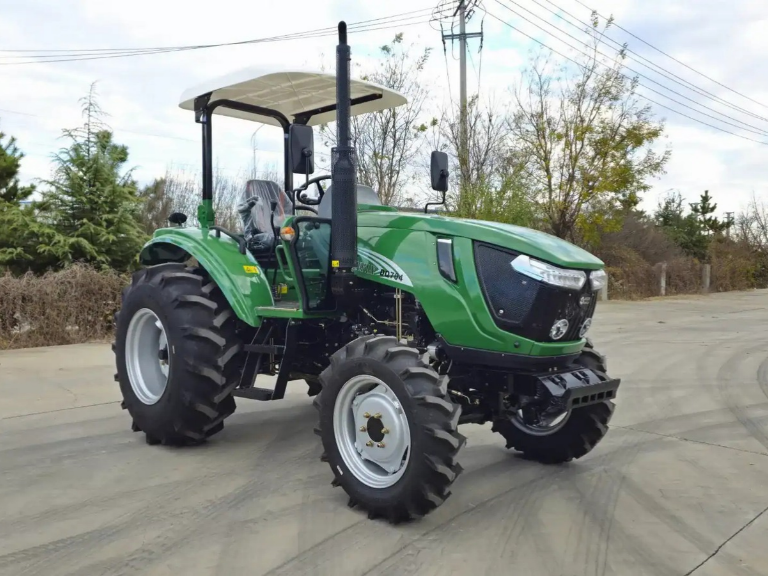
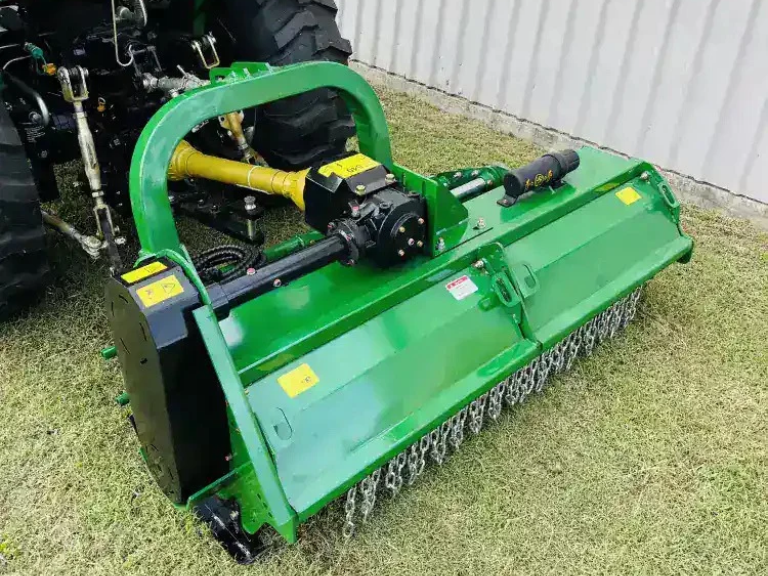
Buying a first tractor isn’t like buying a car. There’s horsepower to work out, implements to match, warranty terms to actually read, and a genuine scam problem in the second hand machinery space that catches people out every year. Most of the mistakes below aren’t exotic, they’re simple, avoidable things that first time buyers trip over because nobody explained them clearly before the sale, and a couple of them can cost real money or cause real damage if they slip through unnoticed.
Here are seven of the most common ones, and how to sidestep each one.
1. Buying on price instead of the actual job
The most common mistake in tractor buying isn’t overspending, it’s underspending. A lot of first time buyers see two similarly priced options, one a size up in horsepower from the other, and go with the cheaper, smaller one to save money upfront. The reasoning makes sense on paper. In practice, it usually backfires, because an underpowered tractor struggles with real jobs, whether that’s pulling a loaded slasher through thick grass or lifting a full bucket, and struggling gear wears out faster and gets frustrating to use fast. It’s a genuinely common enough pattern that it comes up as its own warning across several buying guides, not just an occasional slip up.
The fix is simple, work out the horsepower your actual jobs need before you start comparing prices, not after. A tractor mowing a couple of flat, cleared acres needs a lot less grunt than one clearing scrub, running a backhoe, or working a few hundred acres of pasture. Think through the heaviest, hardest job you expect to do, not the average one, since that’s the job that actually determines whether a tractor is properly sized or just getting by. Buy for the job, not the sticker price, and the sticker price stops being the deciding factor anyway once you’re comparing tractors that can actually do what you need.
2. Overloading the front end loader
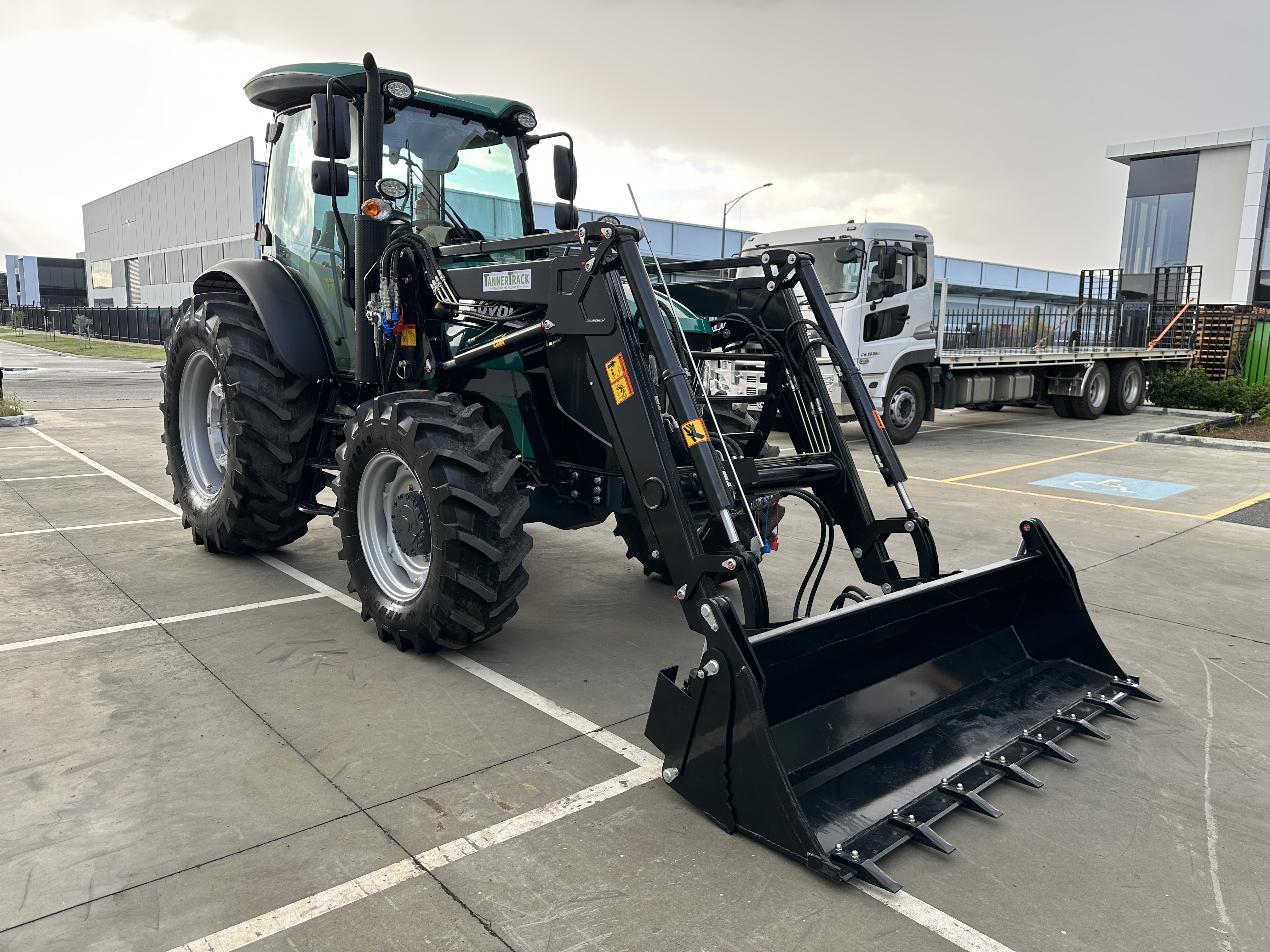
This is one AgKing is upfront about on its own product pages, because it’s such a common and avoidable way to damage a tractor. Every front end loader has a genuine safe working load and a separate, higher maximum lift load, and both numbers are lower than a lot of first time owners assume. The figures scale with horsepower rather than being one size fits all, on the 40hp AK404 it’s 400kg safe working load and 600kg maximum, on the 55hp and 60hp models it steps up to around 800kg safe working load and 1000kg maximum, and by the 90hp AK904 it reaches 1200kg safe working load, with the detailed spec sheet for that model listing a 1500kg lift capacity figure. A tractor was never designed to be a substitute for a proper loader or forklift, and pushing past its rated capacity, or trying to squeeze out more lift by adding heavier hydraulic rams or extra rear wheel weights, is a well known way to cause axle failure rather than just get the job done a bit faster. It’s a mistake that tends to happen gradually too, a slightly heavier load here and there over months, rather than one obvious overload, which is part of why it catches people out.
The fix is to check the safe working load for your specific model before you buy, especially if moving heavy material is a regular part of the plan, and to buy a tractor sized for the loads you’ll actually be lifting rather than assuming any front end loader can handle anything you put in the bucket. If you’re regularly near the limit, that’s usually a sign you need the next size up, not a heavier counterweight on the one you’ve already got. It’s a cheap check to make before buying and a genuinely expensive mistake to make after.
3. Assuming the warranty covers commercial use
AgKing is direct about this one too, its tractor and implement warranty is built specifically around smaller acreage and hobby farm use, not industrial, commercial or contractor work. That’s a meaningful distinction if you’re planning to use the tractor for paid work, a side business, or genuinely heavy, continuous use rather than general property upkeep, because the warranty terms that apply to a hobby farmer aren’t automatically the same ones that apply to a contractor running the same model daily. It’s also worth understanding what the warranty actually covers day to day, not just who it’s for. On implements, for example, the genuine 12 month cover applies to parts that are faulty, not damage from normal wear and tear, and faulty items generally need to go back to AgKing or a contractor they nominate rather than being fixed by whoever’s convenient. Tractors carry a longer 36 month warranty, but the same principle of reading the actual terms applies either way.
The fix is to actually read the warranty terms for your specific tractor and implements before you buy, not after something breaks, and to ask directly whether your intended use fits within the warranty’s scope. It’s a five minute question that avoids a genuinely expensive surprise down the track.
4. Not checking whether implements are assembled before delivery
This one’s easy to miss because it doesn’t sound important until delivery day. Some sellers in the tractor and implement space supply packages with the implements unassembled, which sounds like a minor detail but can mean unpacking crates, following instructions, and effectively building your own attachments before you can use them, sometimes without the tools or experience to catch an assembly mistake that affects safety or performance down the track. It’s a genuine enough industry practice that AgKing calls it out directly, pointing to full assembly and testing before delivery as part of what separates a properly checked package from one where the buyer inherits the quality control.
The fix is to ask directly whether a package comes fully assembled and tested before delivery, or whether assembly is left to you. It’s a fair question to ask any seller, and the answer tells you a fair bit about how much quality control happens before the tractor reaches your gate, not just how the price compares to a competitor’s.
5. Ignoring PTO speed and horsepower compatibility
Buying a tractor and an implement separately, or adding implements later from different sources, opens up a compatibility mistake that’s easy to make and annoying to fix after the fact. Implements are built for specific horsepower ranges and PTO speeds, not just a general size category. A slasher’s gearbox might be rated for a 20 to 45hp tractor running a standard 540 RPM PTO, while a flail mower could be built for anything from 15hp right up to 100hp depending on the specific model, and a finishing mower generally wants at least 40hp underneath it to work properly. Fitting an implement built for a smaller tractor onto a much larger one, or the other way around, can mean anything from poor performance to genuine wear and damage over time, an undersized implement asked to work beyond its rating wears out fast, while an oversized one on a small tractor can be more than the tractor’s own PTO and hydraulics are built to drive properly.
The fix is to check the horsepower range and PTO speed listed for the specific implement against your specific tractor before buying, every time, even if it’s not your first implement purchase. Category 1, 3 point linkage fitment being compatible doesn’t automatically mean the power and PTO specs line up too, and a quick call to confirm compatibility before ordering is a lot cheaper than finding out after it arrives and doesn’t sit or drive the way it should.
6. Paying before verifying who you’re actually buying from
This is the most costly mistake on this list, and unfortunately a genuinely common one. Tractor and machinery scams are a real, ongoing problem in Australia, with fake listings using stolen photos, borrowed ABNs and legitimate sounding business details to convince buyers to pay by bank transfer for a tractor that doesn’t exist or never arrives. It’s a well documented pattern, not a rare edge case, and it catches out experienced buyers as often as first timers because the fake listings are built to look completely legitimate. Consumer protection agencies have flagged a consistent set of warning signs behind these scams, machinery advertised well below what it’s genuinely worth, sellers who insist on immediate payment before you can inspect anything, listings with little to no detail about delivery, dispute resolution or a real physical address, and a push toward bank transfer as the only payment option because it’s harder to reverse than a card payment. Some fake listings even refer buyers to a second fake business, often dressed up as a transport or escrow service, that claims to hold the funds safely until the machine arrives, which is really just another layer of the same scam. A genuinely useful gut check, borrowed from consumer protection advice on this exact problem, is to ask yourself honestly whether a seller would really be letting a tractor worth tens of thousands go for a fraction of that price.
The fix is straightforward but easy to skip when a deal looks good, view the tractor in person where possible, or send someone to view it on your behalf, or at minimum video call the seller and the actual premises before paying anything. Confirm the ABN on the listing genuinely belongs to the business you’re paying by checking it against the Australian Business Register, and treat a request for bank transfer only, with no option to inspect first, as a serious red flag rather than just an inconvenience.
7. Not checking who’s nearby for parts and service
The last mistake shows up months after the sale, not on the day of it. A tractor is a long term purchase, and at some point it’ll need parts, servicing or support, and buying from an operation with no real local presence, or one that ships parts from overseas with long lead times, turns a routine repair into weeks of downtime. AgKing holds parts in Australia and offers onsite diesel mechanics, or lets you use your own mechanic without affecting the warranty, specifically because that kind of support matters more once the tractor’s actually out working than it does on the showroom floor. That support runs across a genuine dealer network too, with bases in Queensland, Victoria and Western Australia and delivery arranged Australia wide, rather than a single office trying to service the whole country from one location.
The fix is to ask where parts are held and how servicing actually works before you buy, not just what the tractor costs. A slightly higher price from a business with genuine local support is often the cheaper option overall once you count the cost of a tractor sitting idle waiting on a part, especially during a busy season when downtime is the last thing the property can afford.
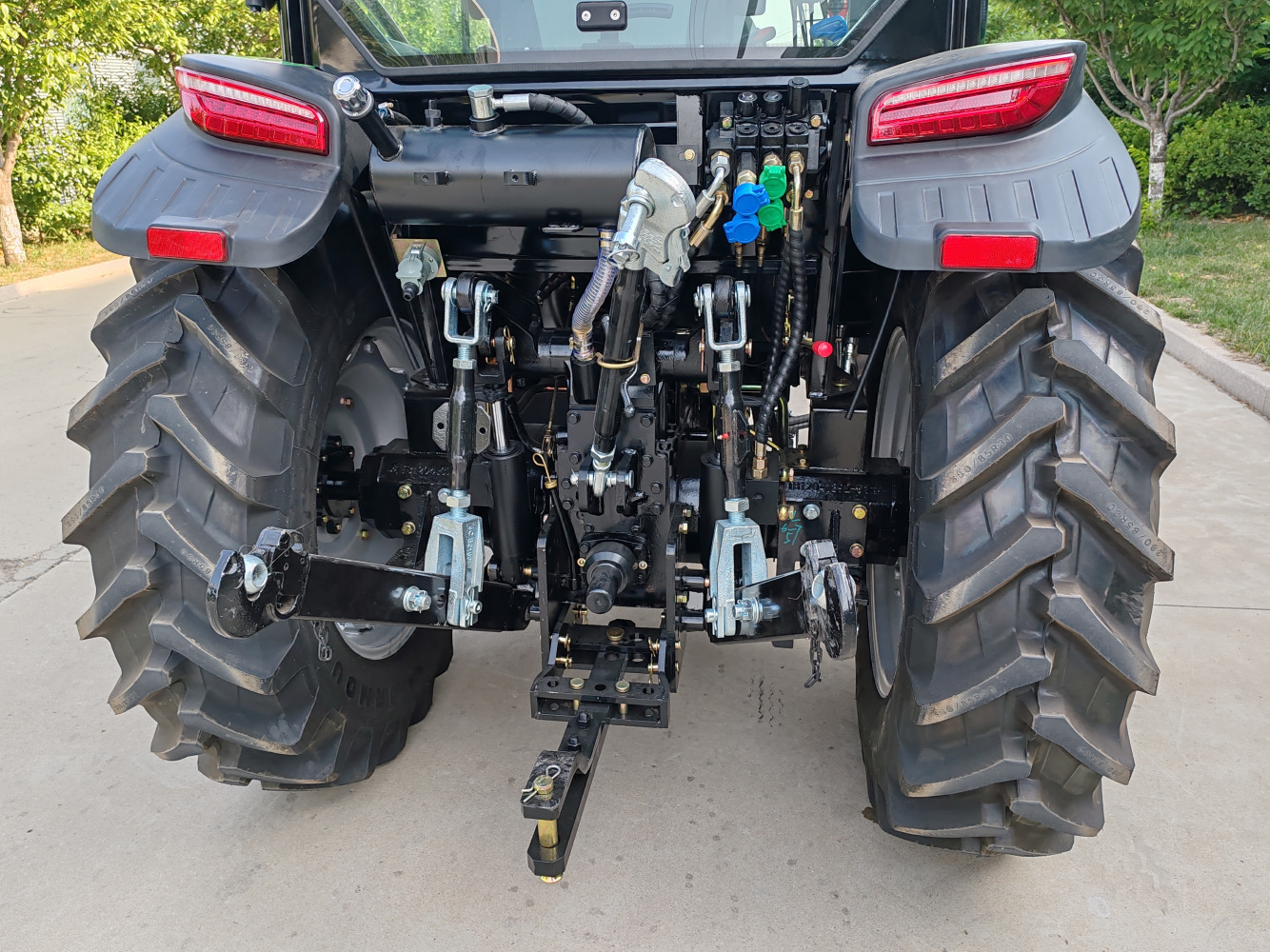
Buying with your eyes open
None of these seven mistakes are complicated once you know to look for them, which is exactly why they catch out so many first time buyers who simply weren’t told to check. Matching horsepower to the job, respecting the front end loader’s rated capacity, reading the warranty terms, confirming assembly, checking implement compatibility, verifying the seller, and knowing where parts and service actually come from covers most of what separates a smooth first tractor purchase from an expensive lesson. Most of them also cost nothing to check, they just take a direct question and a bit of patience before signing, rather than any special expertise. If you’re working through your first purchase now, it’s worth running your shortlist past the AgKing team with these seven in mind, since most of them take one direct question to rule out entirely.