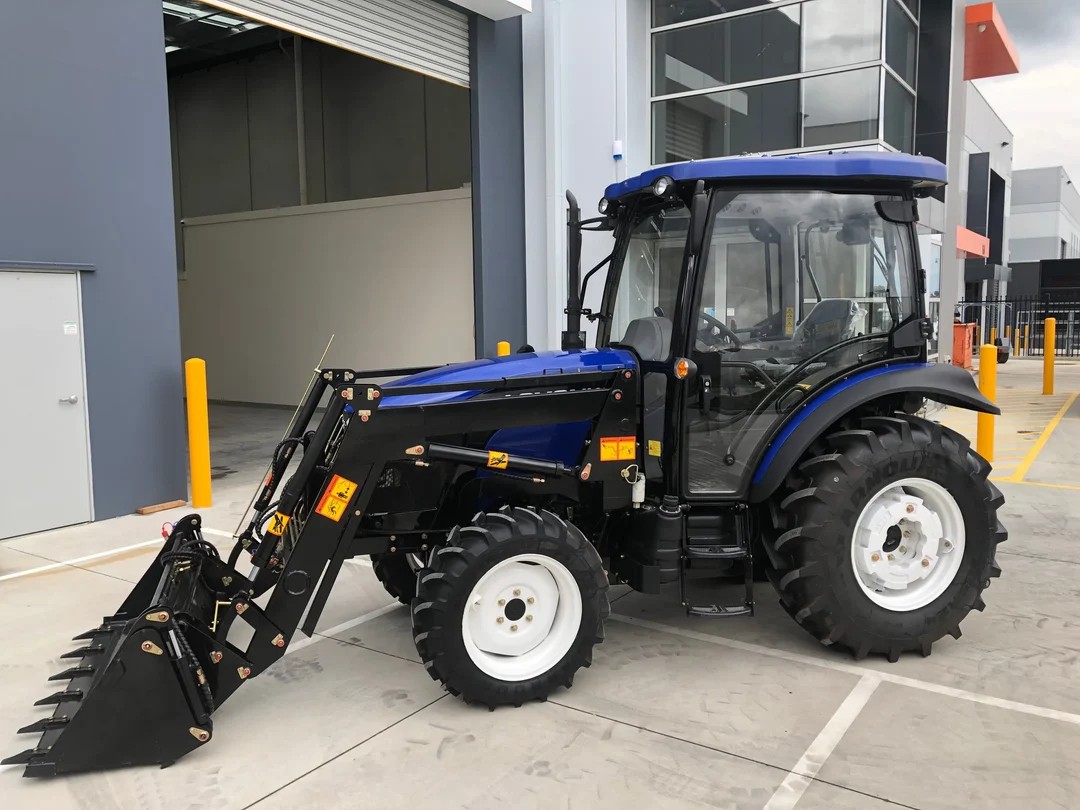
Ask ten Australian farmers what they think about Chinese tractors and you’ll get ten different answers, and most of them will be shaped by a story they heard from someone who bought one twenty years ago rather than the reality of what’s sold today. The brand reputation hasn’t quite kept up with the product, and that gap matters because the decision to buy a Chinese built tractor usually comes down to one question. Not horsepower, not price, not features. Just this: will I actually be able to keep it running five, ten, fifteen years from now?
This post works through the common concerns one at a time. Some of them are real issues to check. Some of them were real issues twenty years ago and aren’t now. One or two are myths that never had much to them in the first place. The goal isn’t to argue that every Chinese tractor is a good buy. It’s to help you tell a genuinely risky purchase from a well supported one.
The reputation question, briefly
Chinese built tractors first arrived in Australia in volume in the late 1990s and early 2000s, and plenty of the early units earned the reputation they got. Rough fit and finish, odd sized hardware, parts that had to be flown in from factories you couldn’t contact, dealers who disappeared inside a year. If you bought one of those tractors and spent a year looking for a thermostat, the memory lingers.
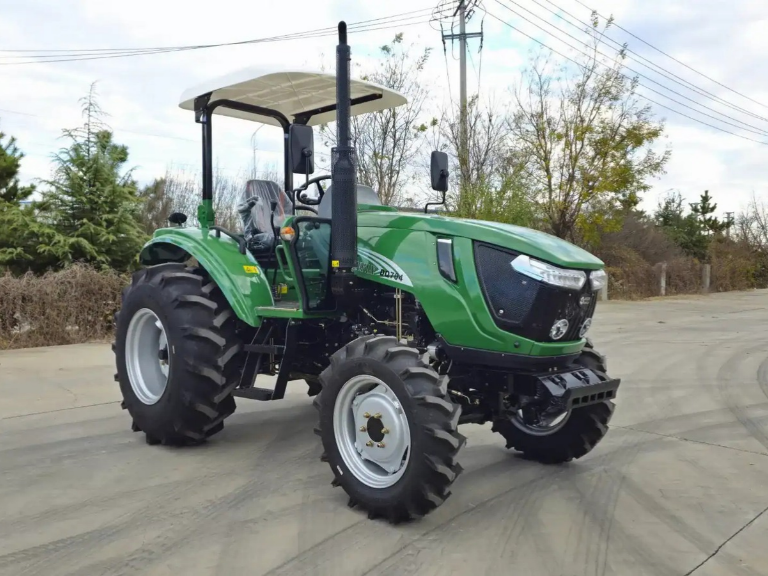
The market has changed. Chinese factories have spent twenty years exporting into Europe, North America and Australia, and the tractors coming off the line now are built to specifications set by the importers rather than being whatever the factory happened to be making that month. AgKing has been importing tractors for over fifteen years and feeds changes back to the factory based on what Australian farmers report, which has driven a lot of the design improvements. The AK and Enfly ranges you can buy today don’t share much with the generic Chinese tractors of the early 2000s beyond the country they’re built in.
That said, if you buy a Chinese tractor from a dealer who’s selling grey market imports with no local parts and no service support, you can absolutely end up back in the 2003 experience. The country of origin isn’t the problem or the solution. The distributor behind the tractor is.
Concern one: parts take forever to get
This is the most common worry and the most straightforward to check before you buy. The question to ask isn’t whether parts are available in principle. It’s whether the dealer holds them in Australia.
AgKing holds a large spare parts inventory across its Queensland, Victoria and Western Australia distribution points. Filters, belts, seals, hoses, clutch plates, tines, bushes, bearings, PTO shafts, hydraulic rams, electrical components. The genuine wear items and the common break items are stocked locally and ship same day or next day in most cases. The only parts that can take longer are major assemblies like full transmissions or engine blocks, which you’d be waiting on from any dealer of any brand.
The useful question for any Chinese tractor dealer, AgKing included, is this: if a specific part fails tomorrow, how long until I have it in my hand? A straight answer with a part number and a stocked quantity is a very different thing from a general promise that parts are available.
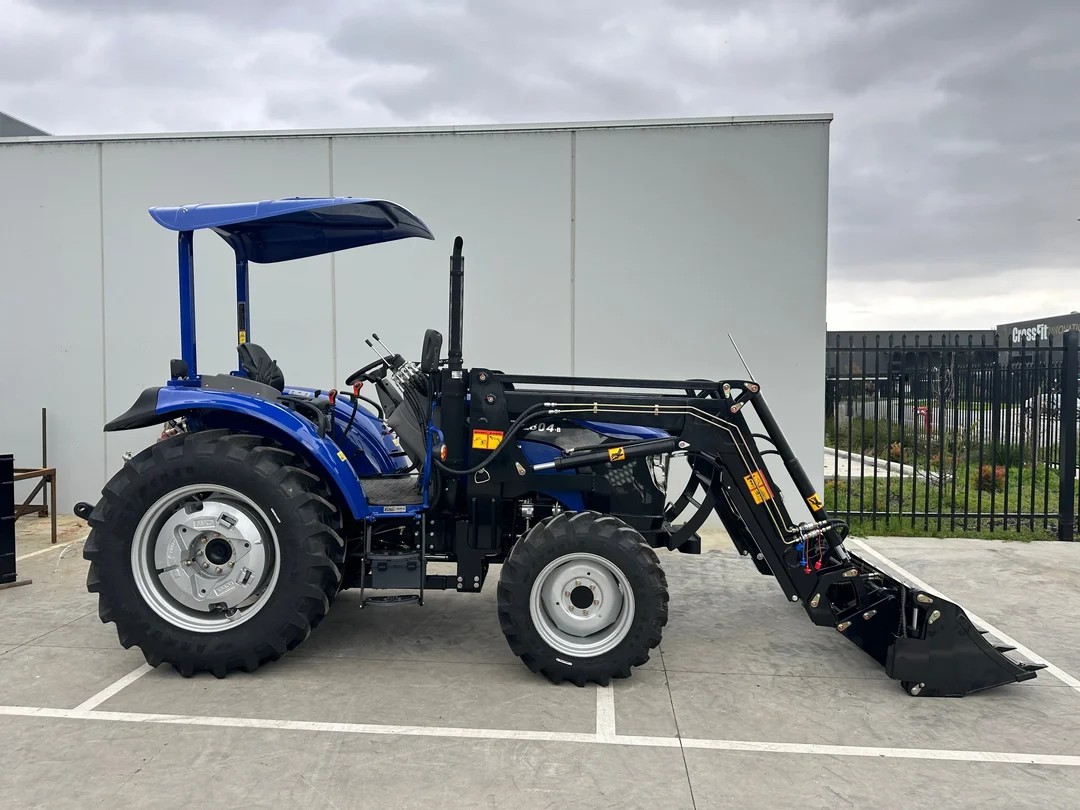
There’s a related concern that parts will stop being available in ten or fifteen years when the model is discontinued. Worth noting that the AK range shares core components across model years and across horsepower bands, so a filter or a clutch plate that fits a current AK604 is largely the same part that fitted an AK604 from five years ago. That shared parts bin is a deliberate choice and it means older tractors don’t become orphans the moment a new model launches.
Concern two: they break down all the time
The broadest version of this concern is really about build quality, and the honest answer is that it varies dramatically between importers. There are Chinese tractors on the Australian market right now that aren’t worth buying at any price. There are others that have logged thousands of operating hours on hobby farms without a serious failure. The brand badge on the bonnet is less useful than knowing where the tractor was built and whether the importer actually tests the units before delivery.
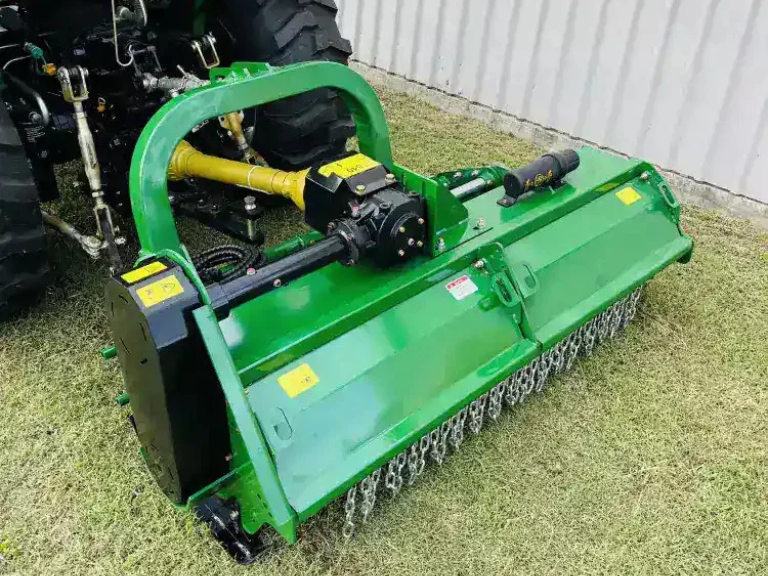
Every AgKing and Enfly tractor goes through a pre delivery inspection at the Australian distribution point before it leaves for the customer. That includes an engine check, drive train check, brake performance, hydraulics test, electrical test, hydraulic pressure test and overall functionality. The implements supplied with the tractor get fully assembled at the dealership rather than being flat packed and sent out for the customer to bolt together, which is where a lot of competitor tractors ship from. The assembly and testing step isn’t glamorous, but it’s the step that catches the problems that would otherwise surface a month into ownership. More detail on what AgKing checks and why is in the proven performance post.
There’s a design decision worth noting too. The AK range is built around classic mechanical systems rather than the computer controlled drive trains and emissions systems you find on modern European tractors. That’s a double edged choice, but for a hobby farm or small acreage context it leans in favour of long term serviceability. A fault code on a modern cab tractor often means a diagnostic trip to a dealer. A fault on a mechanical AK is usually something a competent farm hand can trace with a multimeter and a spanner.
Concern three: no one around here services them
We have found this not to be the case when they are approached the right way, If the customer has the parts sent out ready to go and one of our service checklists, it’s very easy for a mobile mechanic to come out and fit the service parts and keep the machine in top shape. Mechanics hate having to come out and figure out what filters it needs and then go and chase them and come back – someone needs to pay for this time. So a bit of pre planning ensures its serviced and done cost effectively and it makes it easy to get a mobile mechanic out to service. All tractors need servicing eventually, and the service question splits into three parts: routine servicing, warranty work, and major repairs.
Routine servicing on an AK tractor is well within the reach of any competent diesel mechanic. Oil changes, filter changes, belt checks, hydraulic fluid changes and valve adjustments are standard procedures that any workshop handling agricultural equipment can perform. The workshop doesn’t need to be an AgKing dealer. The owner’s manual lists intervals and procedures the same way any tractor’s manual does.
Warranty work is where the dealer relationship matters. AgKing’s warranty support runs through its own distribution points and includes on site assistance where practical, plus guided repairs via phone or FaceTime for smaller issues. That last piece is worth noting. A ten minute video call with a technician walking you through a part swap or an adjustment is often the fastest way to resolve a small issue, and it’s standard practice rather than a last resort.
Major repairs, the engine rebuild or transmission overhaul kind, are rare on well maintained tractors and tend to happen well past the warranty window. At that point, the question isn’t dealer loyalty, it’s who can actually do the work. The answer is any heavy diesel workshop that has rebuilt a tractor engine before, which in regional Australia is most of them. The parts come from AgKing. The labour can come from a local workshop.
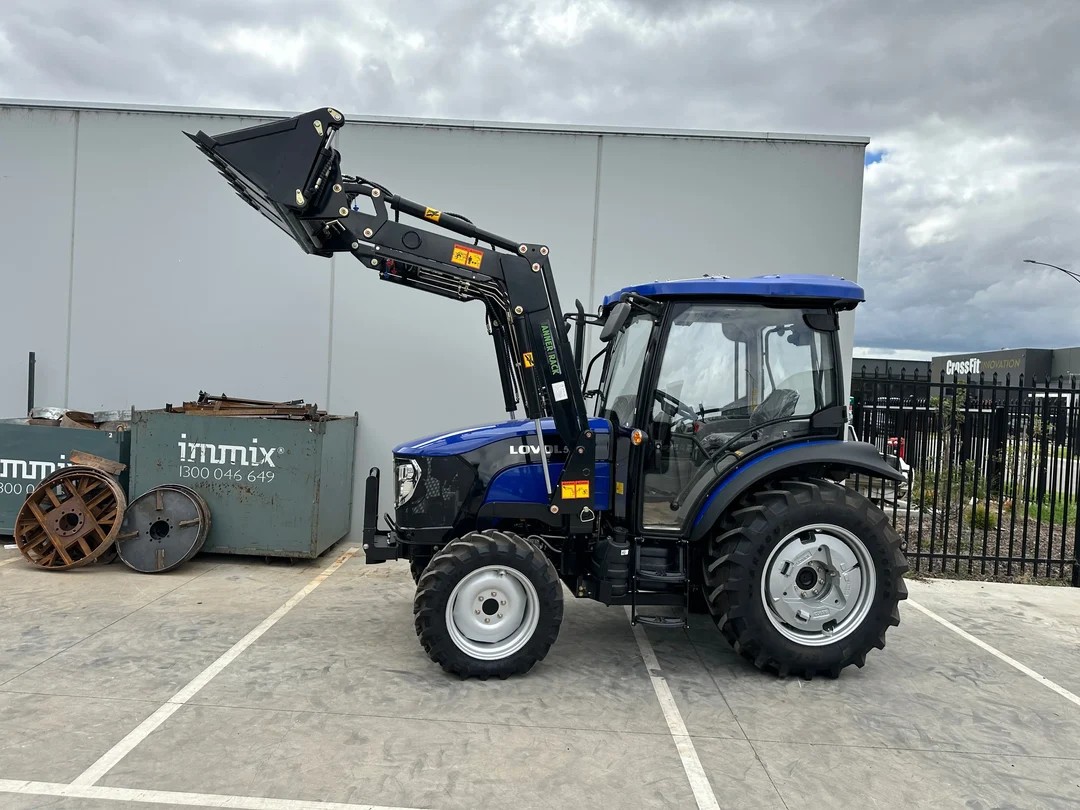
Concern four: warranty is worthless
This one is worth looking at carefully because warranties genuinely are worthless when the fine print doesn’t match the hype.
The AgKing tractor warranty is a 36 month genuine parts warranty, which is longer than the industry standard and clearly stated rather than buried. The implement warranty is 12 months parts. Both cover defective parts and manufacturing issues. Both exclude normal wear and tear items like tyres, filters and friction clutches, which no tractor warranty in the industry covers. Both are structured around hobby farm and small acreage use rather than industrial or contractor work, which is standard across the agricultural equipment industry.
What a warranty doesn’t cover is a mistake you want it to cover. If you run a loader at twice its safe working load and bend an axle, that’s not a warranty claim on any tractor from any manufacturer. If you run the wrong hydraulic fluid and ruin a pump, same. If you tow a trailer two tonnes over the tractor’s rated capacity and crack a casting, same again. Reading the warranty terms and knowing what you’re signing is the step that makes a warranty worth something.
Concern five: no resale value
The resale market for Chinese built tractors has matured along with the product. Used AK and Enfly tractors move on the second hand market at predictable prices, and they hold value in proportion to their condition and hours in the same way other brands do. A well maintained 60HP AK with 600 hours and current service records sells in a reasonable window of its new price. A poorly maintained one with no records doesn’t, which is also true of every other brand.
The useful comparison isn’t new price to resale price in isolation. It’s total cost of ownership, which is the new price minus the resale price plus the service costs across the time you owned it. On that measure, a well bought Chinese tractor usually competes strongly with equivalent European brands, and the gap narrows further when you factor in that mechanical AK tractors avoid the expensive electronic faults that drag down ownership costs on newer high tech units.
What to actually check before buying
If you’re weighing up a Chinese tractor purchase, the questions that matter most are about the dealer behind the tractor rather than the tractor itself. A short checklist worth running through:
- How long has the dealer been in business in Australia? A dealer under three years old is a bigger risk than the tractor itself, because if they fold you lose the parts and warranty backup.
- Where do they hold parts? Local inventory with a stocked warehouse is a different answer from parts available through a factory in China.
- What’s the published warranty and where’s the fine print? A warranty that’s longer than the industry standard isn’t automatically better. A clearly written warranty is.
- Do they assemble and test implements before delivery, or do they ship them flat packed?
- Can they produce a current owner reference? A dealer selling the same tractor to the same customer base for a decade has owners willing to talk about ownership experience. A newer importer doesn’t.
The broader case for buying Chinese is covered in why consider a Chinese tractor, which goes into the design, build and value side of the decision. If you’re weighing specific models, the Enfly range sits in the mid size commercial band and complements the smaller AK models that dominate the hobby farm end. For most buyers, the answer isn’t the question of whether Chinese tractors are viable in Australia. That question was settled some time ago. The answer is making sure the specific tractor and the specific dealer stack up.
Frequently asked questions
Q. Are Chinese tractors cheaper to run than European brands?
Usually yes, for two reasons. Parts cost less on a like for like basis because they’re produced at higher volumes and without the mark up a prestige brand carries. Routine servicing is simpler on mechanical drive trains than on computer controlled ones, which means it can be done by any diesel mechanic rather than requiring a brand specialist. The exception is if you buy from an importer without local parts holdings, in which case the hidden cost of waiting weeks for a filter can wipe out the savings.
Q. Can I finance a Chinese tractor the same way as other brands?
Yes. Finance brokers in Australia treat AK, Enfly and other established Chinese imports the same way they treat other tractor brands. Standard terms are a 10 percent deposit with the balance over 36 to 60 months, and ABN based lending is available for buyers running the tractor as a farm or business asset.
Q. What happens if the dealer goes out of business?
This is the risk you’re actually taking when you buy any imported tractor. If a dealer selling an exclusive import folds, you lose the parts chain and warranty cover. The way to manage that risk is to buy from a dealer who’s been in Australia long enough to have survived a downturn or two. AgKing’s fifteen year track record is one answer to this question, and asking any dealer for their years in operation is a fair question to raise early in the conversation.
Q. Do I need special tools or diagnostic equipment to service one?
Not for the AK mechanical range. Standard metric tools, a basic multimeter and a grease gun cover almost all routine maintenance. The tractors are deliberately designed without the computer controlled systems that require brand specific diagnostic software, which is one of the reasons they stay serviceable in regional workshops rather than being limited to dealer service centres.
Q. How do Chinese tractors handle Australian conditions?
Modern units from established importers are built to specifications set for Australian buyers, which includes heavier duty radiators for summer heat, dust filtration for dry conditions, and components rated for the longer working hours an Aussie farm puts on them. The feedback loop between AgKing’s customer base and the factory has driven a lot of these improvements over the past decade. The tractors coming in now aren’t the same product as the early imports of the 2000s.